
By Scott, Laser Tattoo Removal Specialist at Illusion Laser Clinic, Bournemouth
Quick answer: Small, superficial body tattoos may need somewhere between 6 and 12 laser sessions, spaced roughly 6–8 weeks apart, to fade fully.
Cosmetic (or SPMU) tattoos can clear in as few as 4–6 sessions with picosecond technology, while large, deep or multicoloured body tattoos can take substantially longer.
The honest truth is that nobody can give you an exact number, because the main influencing factor in how efficiently your tattoo is removed comes down to your body.
Jump to:
Why There's No Single Answer
How Many Sessions For Laser Tattoo Removal, By Tattoo Type
Q-Switched vs Picosecond: Why The Technology Changes The Number Of Sessions
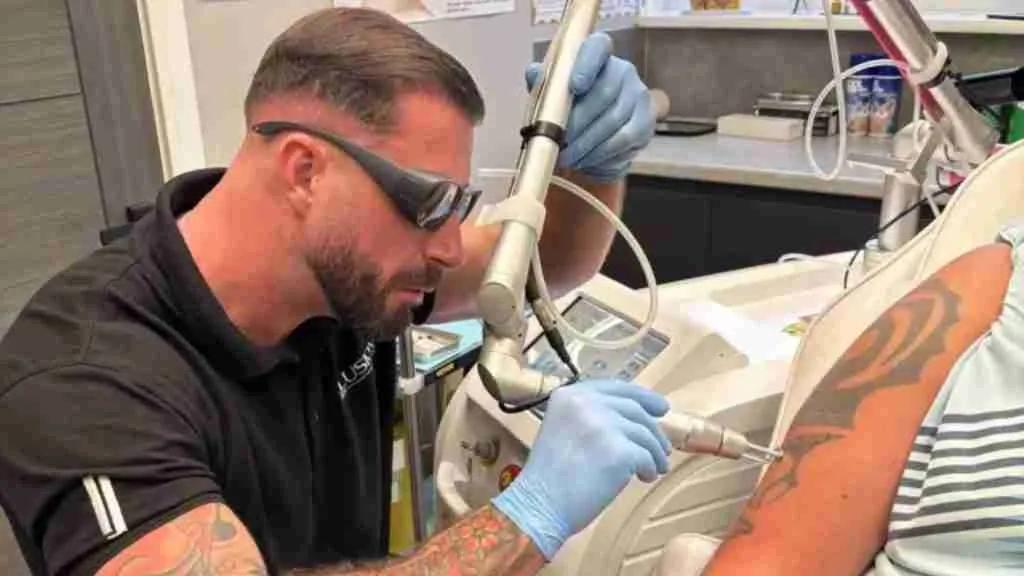
What Actually Happens During A Session
FAQs
Why There's No Single Answer
Throughout my career specialising in laser tattoo removal, the question I get asked most in consultations isn't "does it work?" it's "how many sessions for laser tattoo removal on my tattoo specifically?" And the honest answer is always the same: it depends on certain factors!
The factors that genuinely move the number up or down include:
Ink colour: Black and dark blue ink absorb laser energy most efficiently and clear fastest; yellows, green, and light colors are stubborn and can add several sessions.
Ink depth and density: Amateur, hand-poked tattoos usually sit shallower and lift out faster than dense, professional colour work.
Age of the tattoo: Older tattoos have often already begun fading naturally, which can shave sessions off the total.
Skin tone: Lighter skin (Fitzpatrick types I–III) tolerates higher energy settings, which speeds things up; darker skin needs a more conservative approach for safety, which can mean a few extra sessions.
Location on the body: Areas with better blood flow, like the upper arm or chest, tend to clear ink faster than the hands, feet or ankles.
Your immune system and lifestyle: Hydration, general health and whether you smoke all affect how efficiently your body carries away the shattered ink particles between sessions.
How Many Sessions For Laser Tattoo Removal, By Tattoo Type
To put rough numbers on it:
Small, black-ink, amateur tattoo: Typically 4 to 6 sessions.
Small to medium professional tattoo, single colour: Typically 6 to 10 sessions.
Large, multicoloured or densely inked piece: 10 to 15+ sessions.
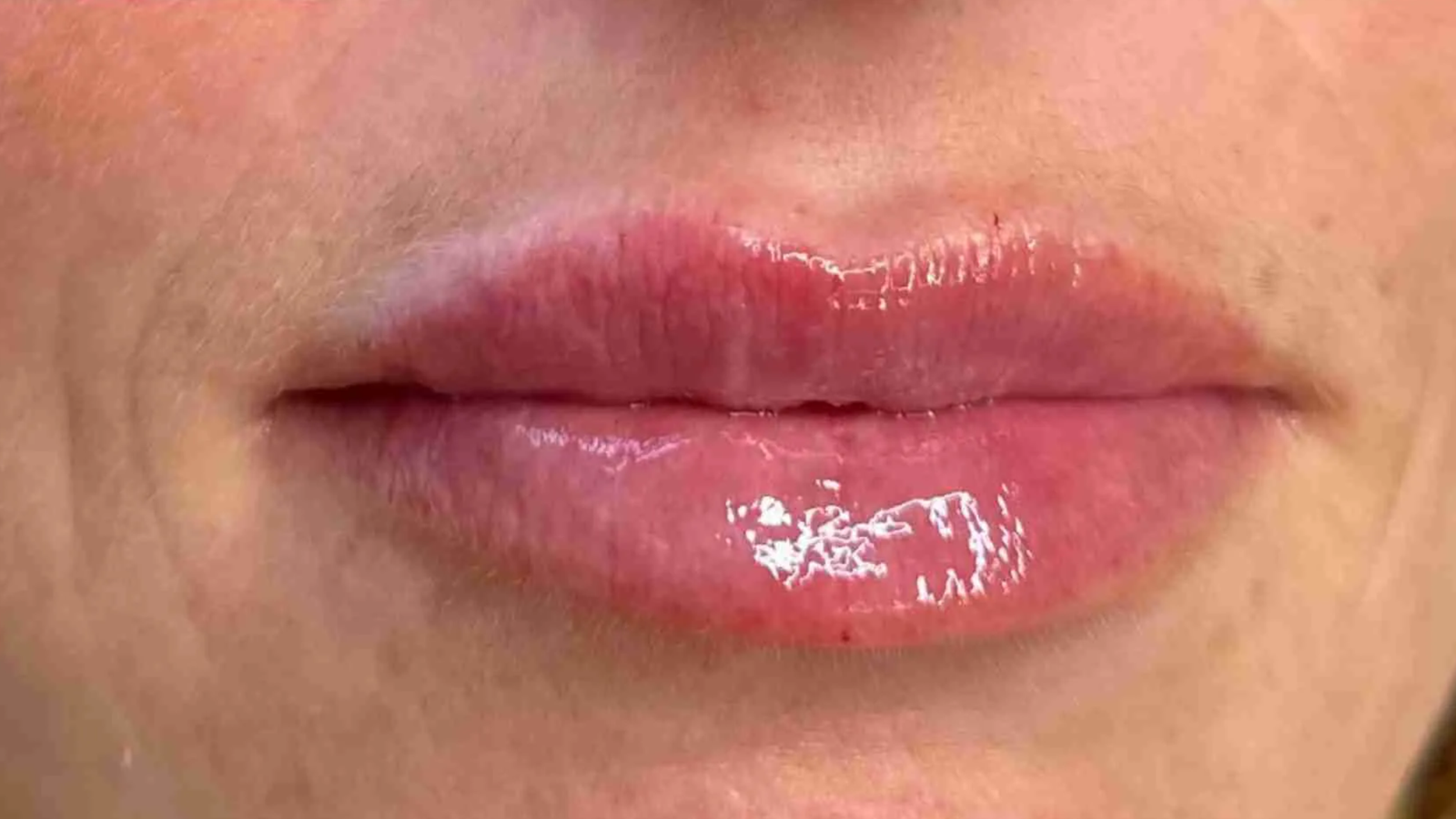
Cosmetic tattoo removal (eyebrows, eyeliner, lip blush): Often fewer sessions than body ink, because the pigment sits more superficially, though it demands far more precision so as not to damage delicate facial skin.
One detail a lot of people don't expect: a "blown out" tattoo; where the ink was originally injected too deep and has spread under the skin can sometimes be treated in a single session, because the aim is to soften the smudged edges rather than erase the whole design.
Q-Switched vs Picosecond: Why The Technology Changes The Number Of Sessions
Not every laser tattoo removal service uses the same equipment, and this is where the number of sessions can shift dramatically.
Older nanosecond (Q-switched) lasers remain effective, but picosecond lasers deliver energy in ultra-short bursts, shattering ink into far smaller particles that the body clears more efficiently.

At Illusion Clinic, we use PicoSure picosecond laser technology, which is why we're often able to work through the full removal process in fewer visits than clinics still relying on older nanosecond machines; particularly on multicoloured tattoos or pieces that a previous clinic struggled to fully treat.
What Actually Happens During A Session
The laser is passed over the tattoo, breaking the ink into microscopic fragments.
Your skin will usually look frosted (a temporary whitening) immediately afterwards, followed by some redness and mild swelling.
Over the following 6–8 weeks, your lymphatic system gradually carries the fragmented ink away; this is why sessions can't be rushed closer together, no matter how impatient you are to see results.
You'll notice the tattoo lighten gradually with each round, rather than disappearing all at once.
A small but genuinely useful detail from my own experience: we always do a patch test at consultation stage, not just to check for adverse reactions, but because how your skin responds to that single test spot gives us a much more reliable read on your likely total session count than simply eyeballing the tattoo.
Bottom Line
There's no way to give you a precise session count for how many sessions for laser tattoo removal without seeing your tattoo; its colour, depth, age and location all matter too much to guess from a photo.
What I can tell you, from years spent doing exactly this in Bournemouth, is that most people fall somewhere in that 6-to-12 session range, and picosecond technology often shortens that considerably.
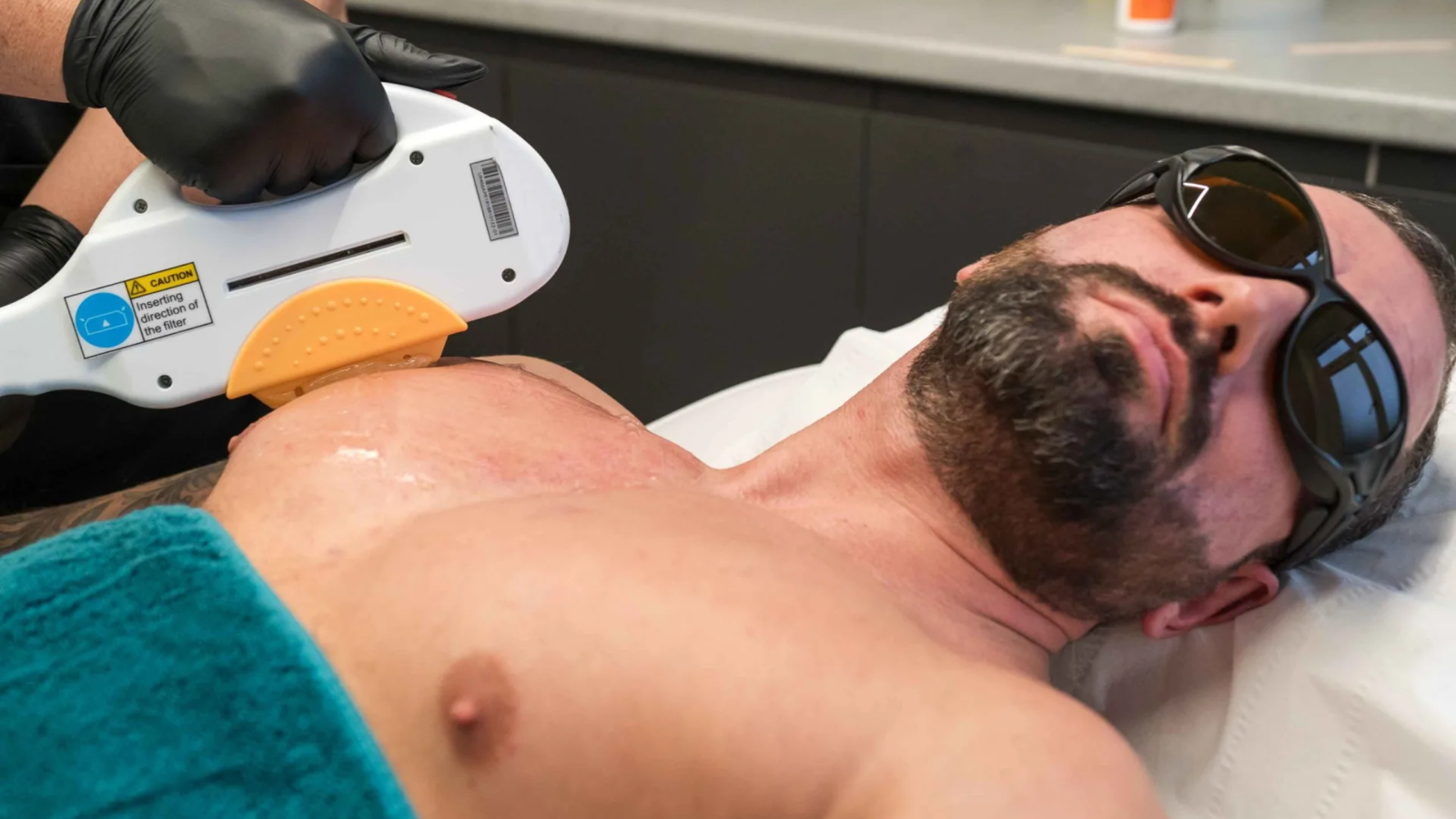
If you're a local and looking for cosmetic tattoo removal for eyebrows or lips, or even laser hair removal in Bournemouth, book a consultation and patch test with us.
We'll look at your tattoo removal in Bournemouth options, give you a realistic session estimate, and build a plan around your skin; not a generic script.
Book your consultation with Illusion Clinic
FAQs
Does laser tattoo removal hurt?
It comes with noticeable discomfort rather than severe pain for most people; often compared to being flicked repeatedly with an elastic band. It's manageable, and it's over quickly per pass.
How soon after getting a tattoo can it be removed?
Wait at least six months. Your skin needs to fully heal from the original tattooing process, and your body needs time to finish settling the ink before you introduce more trauma with laser treatment.
Can a tattoo be lightened instead of fully removed?
Yes. If you're prepping for a cover-up rather than a blank canvas, we can stop treatment once the tattoo is light enough for a new design to sit cleanly over it; this usually takes fewer sessions than full removal.
Are there side effects after a session?
Redness, itching, and mild swelling are normal, and the treated area may scab. Leave scabs to heal naturally rather than picking at them, as this affects your final result.
About the author: Scott is a Laser Tattoo Removal and Cosmetic Tattoo Removal Specialist at Illusion Laser Clinic in Southbourne, Bournemouth. He holds Level 5 Laser Tattoo Removal Training, Level 4 Core of Knowledge Training, Level 3 & 4 Anatomy and Physiology Training, and a Level 3 Automated Microneedling Course qualification.
Write a comment ...